
Asphalt Maintenance Services in Houston, TX: How Heat and Humidity Damage Your Asphalt
Houston's climate and Gulf Coast environment put asphalt through a tough daily workout. At HEV Asphalt Paving Co., we understand how extreme heat, high humidity, and heavy rainfall break down pavement over time. This guide explains what our asphalt maintenance services in Houston, TX, can do to slow that process and protect your investment. Call (713) 325-0940 to speak with a paving specialist today.
Why Houston's Climate Is So Hard on Asphalt
Houston's humid subtropical climate, shaped by its proximity to the Gulf of Mexico, works against asphalt from multiple directions at once. August average highs reach 95°F, and asphalt surfaces absorb even more heat than the surrounding air, causing pavement to soften, shift, and wear faster than it would in cooler climates.
Moisture compounds the problem. Houston sees up to 19.5 rainy days per month during peak summer months, meaning a lot of water works its way into every crack and seam. Property owners who invest in our asphalt maintenance services in Houston, TX, early in the season are better positioned to avoid the compounding damage that heat and moisture cause together.
Three Ways Heat and Humidity Break Down Your Pavement
Three Ways Heat and Humidity Break Down Your Pavement
Prolonged UV exposure causes the binder in asphalt to oxidize. The surface loses flexibility, turns gray, and becomes brittle. Brittle asphalt cracks more easily, opening the door to bigger problems.
Thermal Expansion and Contraction
Asphalt expands in heat and contracts when it cools. Houston temperatures swing from an average low of 46°F in January to a high of 94.3°F in August. That range means asphalt is constantly moving. Over many cycles, this causes surface cracking, edge crumbling, and pavement separation. Scheduling our asphalt maintenance services in Houston, TX, before and after peak summer helps catch this damage early.
Moisture Infiltration and Softening
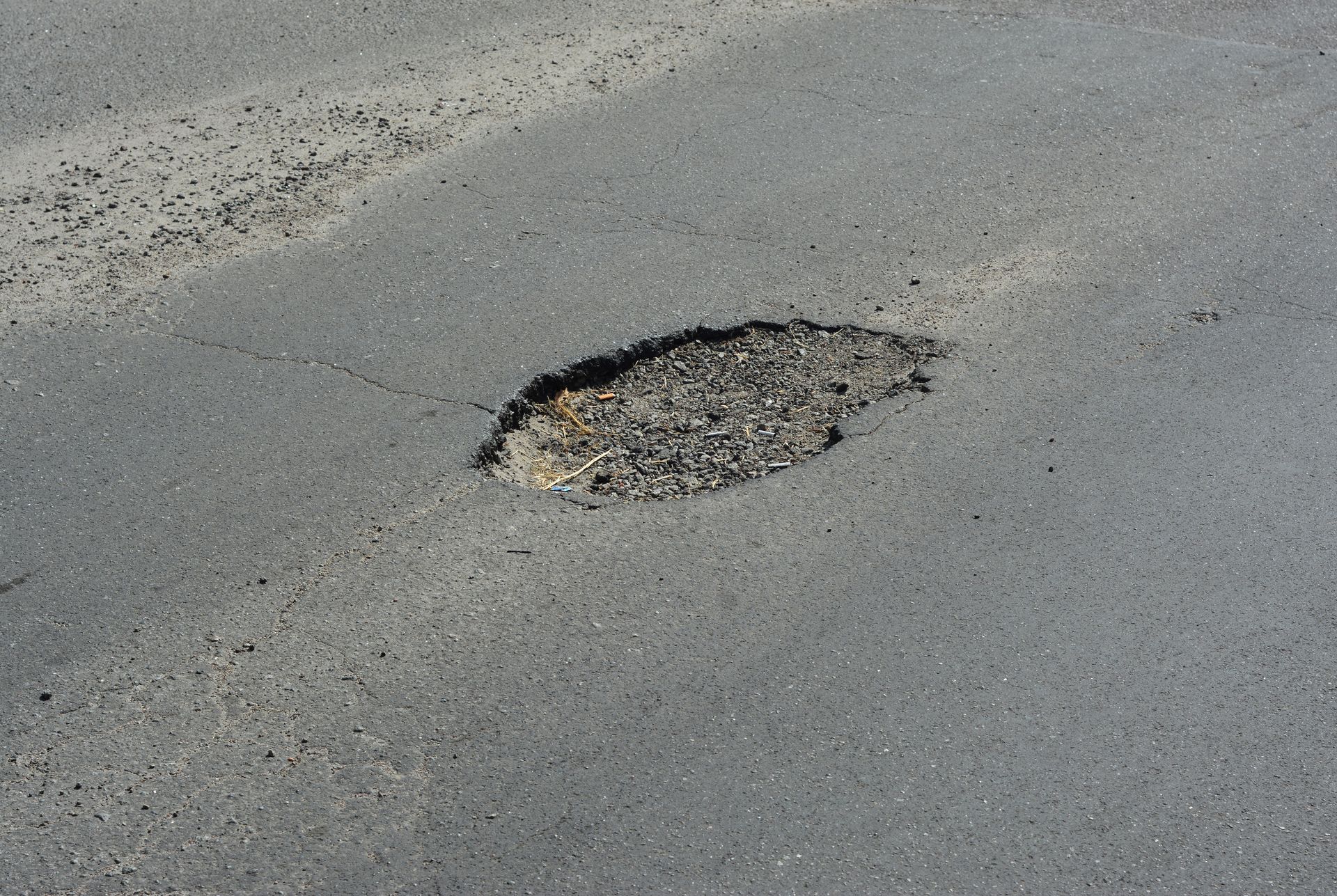
When water seeps into asphalt cracks, it weakens the base beneath. In Houston's clay heavy soil, moisture causes the ground to shift and heave, leading to potholes and uneven pavement. High humidity also keeps surfaces damp longer, slowing drying and encouraging further deterioration.
A Simple Maintenance Calendar for Houston Property Owners
A consistent routine can add years to the life of your pavement. Here is what we recommend throughout the year:
Early Spring (February to March): Inspect for winter damage and schedule crack filling before spring rains arrive.
Late Spring (April to May): Apply sealcoating before peak summer heat. This is often the ideal window for asphalt maintenance services in Houston, TX, before intense heat and storm activity begins.
Summer (June to August): Monitor drainage around pavement edges. Standing water after storms needs prompt attention.
Fall (October to November): Conduct a post summer inspection to address UV damage and cracks before cooler weather arrives.
We recommend a routine check every one to two years depending on traffic and wear, with sealcoating generally advised every two to three years.
Learn more by visiting our
asphalt maintenance and repair services page.
What Does Good Asphalt Maintenance Actually Include?
Professional asphalt maintenance covers more than filling a pothole. A complete plan for Houston properties may include several key services. Here is what we typically provide:
Crack sealing uses flexible hot rubber sealant to fill gaps before water gets in.
Sealcoating applies a protective layer that blocks UV rays, fuel spills, and moisture.
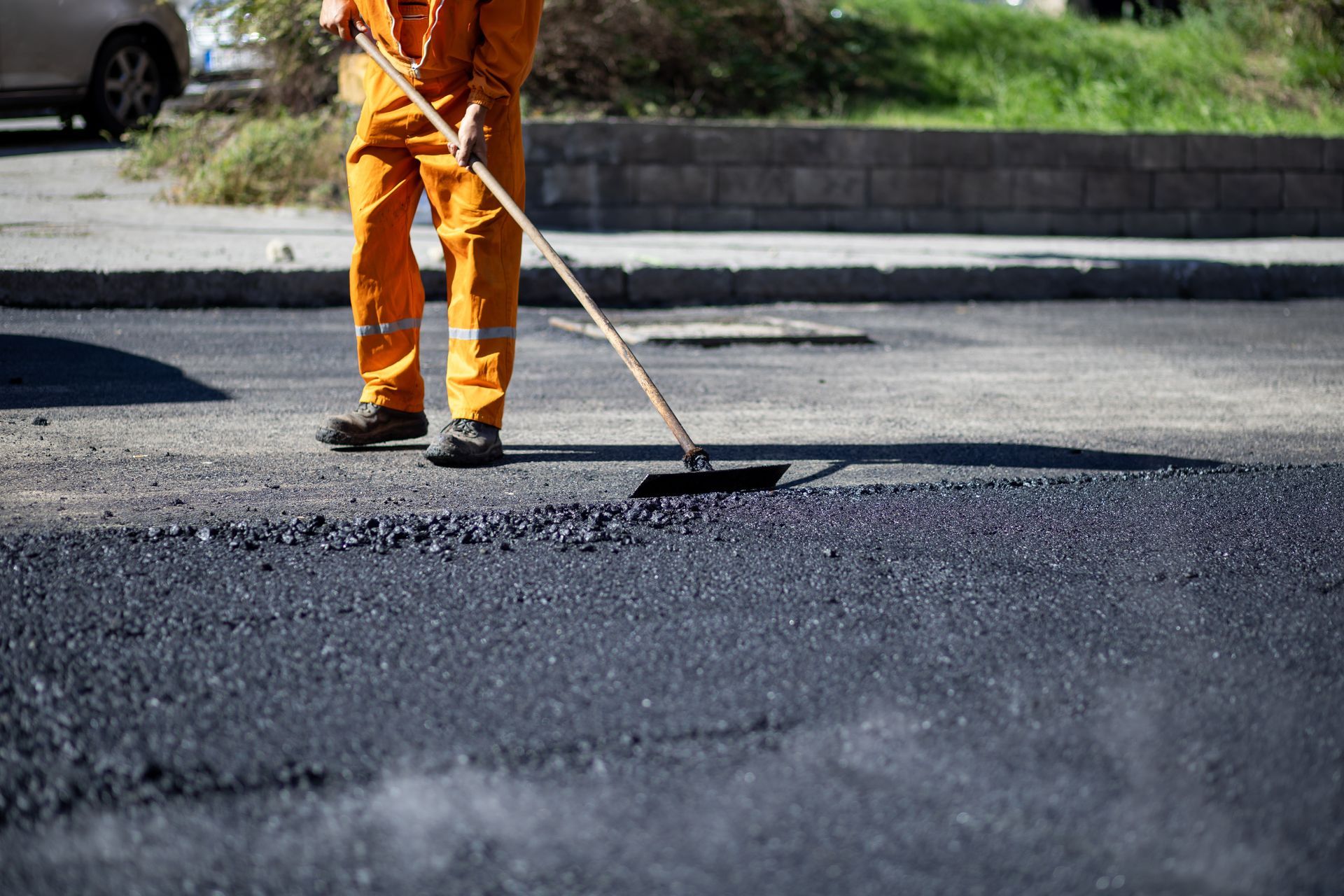
Patching and pothole repair delivers targeted fixes for soft or failed pavement sections.
Surface cleaning removes debris, oil, and biological growth that accelerates deterioration.
Drainage assessment ensures water runs off properly, which is critical in flat Harris County terrain where pooling is common.
We offer these services as part of a coordinated plan, making it easier to stay on schedule and catch problems before they compound.
Frequently Asked Questions
How Often Should I Sealcoat My Asphalt in Houston?
Most surfaces in the Houston area benefit from sealcoating every two to three years. Intense UV exposure and regular rainfall wear protective layers faster than in drier climates.
What Are the Early Warning Signs of Asphalt Damage?
Cracks, potholes, faded color, standing water, and uneven surfaces all signal that your asphalt needs attention. Catching these early means simpler, less expensive repairs.
Can Humidity Damage Asphalt Even Without Rain?
Yes. Houston's relative humidity consistently averages around the mid 70s. That persistent moisture penetrates micro cracks, keeps pavement from drying fully between rain events, and gradually softens the underlying base.
Is It Worth Maintaining Older Asphalt, or Should I Replace It?
It depends on the extent of damage. Timely maintenance helps you avoid full replacement. Widespread cracking or significant base failure may make replacement the smarter long term choice. A professional inspection can help determine which option fits your property.
Protect Your Pavement With Expert Help in Houston
If your driveway, parking lot, or private road is showing signs of wear, do not wait for small problems to become expensive ones. At HEV Asphalt Paving Co., we offer asphalt maintenance services in Houston, TX, for residential and commercial properties throughout Harris County and surrounding communities including Tomball, The Woodlands, Conroe, Magnolia, and Pasadena. With over 40 years of combined experience, we understand how the Gulf Coast climate affects pavement and can tailor a maintenance plan to match.
Request a free estimate by visiting our
free estimates page or call
(713) 325-0940 to speak with a paving specialist. You can also find and review
HEV Asphalt Paving Co. on Google Maps.